White Label Community Platform: The Ultimate Guide to Scaling Communities
Table of Contents
If you have been exploring ways to grow and manage a modern community, you have likely come across the term white label community platform.
At first glance, it can sound technical or even interchangeable with other software solutions. But understanding what it actually means and how it works can completely change how organizations approach community building.
A white label community platform is not just another tool. It is a fundamentally different way to launch, scale, and own a community experience without the complexity of building software from scratch.
What Is a White Label Community Platform
A white label community platform is software that allows an organization to create and manage its own fully branded community under its own name, without developing the technology itself.
Instead of relying on third-party platforms that limit branding and control, organizations can present the entire experience as their own. This includes everything from visual identity to how members interact within the platform.
To the end user, it feels like a custom-built product designed specifically for that organization. Behind the scenes, however, it is powered by a shared infrastructure that has already been built, tested, and optimized.
This combination of ownership and efficiency is what makes the model so powerful.
How a White Label Community Platform Works
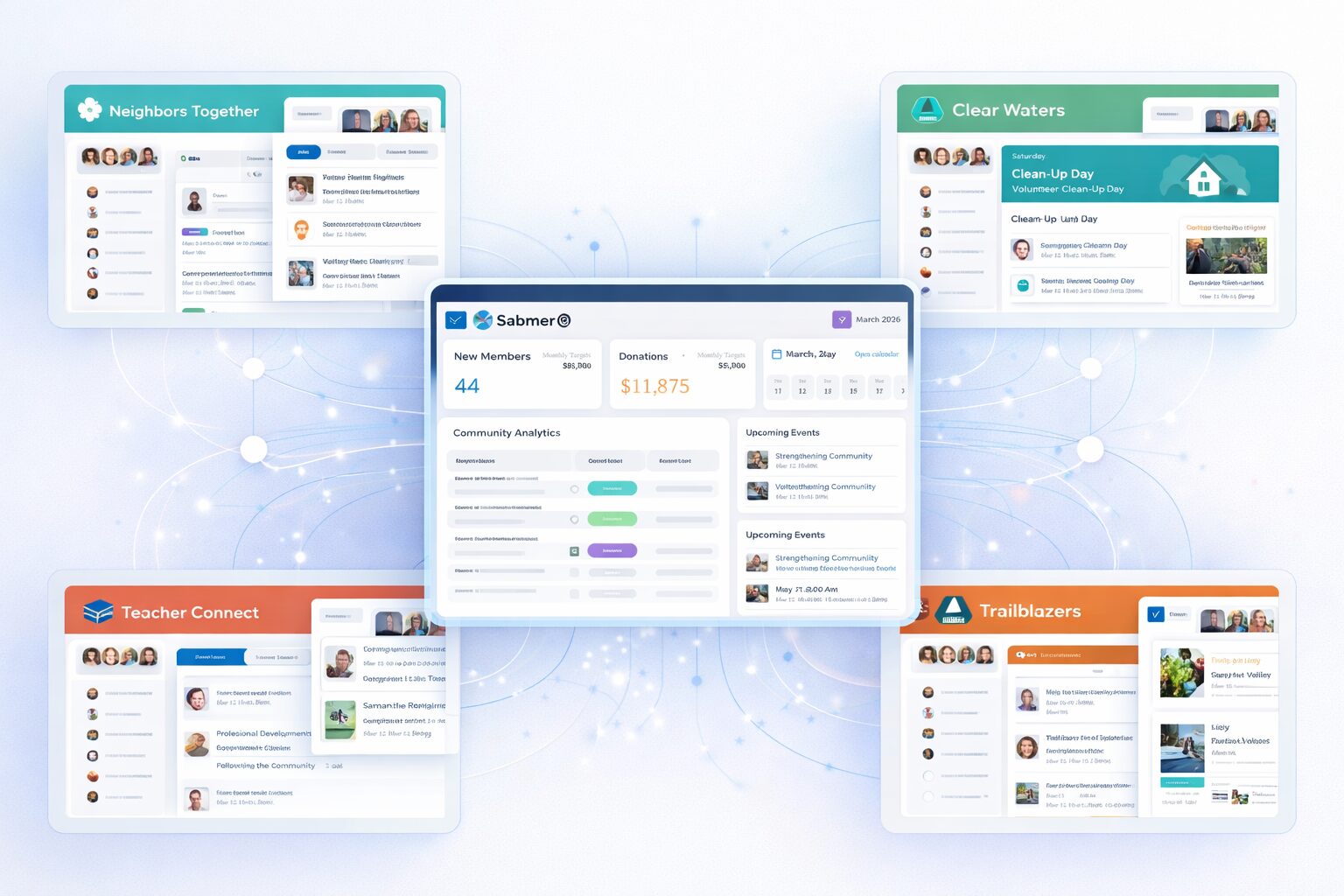
A white label community platform typically operates on a multi-tenant architecture. This means that a single core system supports multiple organizations, each with its own isolated environment.
Every organization has its own members, data, and branding, but all are powered by the same underlying technology.
You can think of it as a shared engine with completely different exteriors. Each organization drives its own experience, but none of them need to build the engine themselves.
This approach allows organizations to launch quickly while maintaining control, security, and scalability.
White Label vs Traditional Community Platforms
Traditional community platforms often fall into two categories. They are either social-based tools, such as group forums, or branded platforms with limited customization.
In both cases, organizations face similar challenges. Branding is restricted, user experience is often rigid, and control over data and engagement is limited.
A white label community platform changes this dynamic entirely. Organizations are no longer building on someone else’s ecosystem. Instead, they are creating their own centralized hub where members, content, and events all live under one roof.
This shift gives organizations greater flexibility, stronger brand presence, and a more cohesive experience for their members.
White Label vs Custom-Built Software
Many organizations initially believe that building a custom platform is the only way to achieve full control. While that approach does offer flexibility, it comes with significant trade-offs.
Custom-built software requires substantial investment, long development timelines, and ongoing maintenance. It also creates a dependency on technical resources for updates and improvements.
A white label community platform provides a more balanced alternative. Organizations gain the benefits of a tailored experience without the burden of building and maintaining the technology themselves.
Updates, improvements, and scalability are handled within the platform, allowing teams to focus on growing and engaging their community instead of managing software.
Key Features of a White Label Community Platform
Most modern white label platforms are designed to support the full lifecycle of a community. Rather than offering isolated tools, they provide an integrated system that connects members, content, and engagement.
At the core of this system is member management. Organizations can create detailed profiles, assign roles, and manage access across different parts of the community.
Sub-communities allow organizations to structure their ecosystem into chapters, groups, or departments. This is especially valuable for organizations operating across regions or segments.
Event management is another critical component. From creating events to tracking attendance, organizations can use events as a primary driver of engagement.
Communication tools, including announcements and updates, ensure that members stay informed and connected between events.
Finally, analytics provide insight into what is working. Organizations can track participation, engagement trends, and growth over time, making it easier to refine their strategy.
Who Uses White Label Community Platforms
White label community platforms are used by a wide range of organizations, particularly those that rely on strong member engagement.
Associations use them to connect members and manage programs. Universities use them to engage students and alumni. Chambers of commerce use them to support local businesses and events.
Corporate organizations are also adopting this model to build internal and external communities, while nonprofits use it to coordinate initiatives and increase participation.
In each case, the goal is the same. Organizations want to bring people together in a structured, scalable way.
Benefits of Using a White Label Community Platform
One of the most immediate benefits is brand ownership. Organizations can create an experience that reflects their identity without compromise.
Speed is another major advantage. Instead of spending months or years building software, organizations can launch quickly and begin engaging their members right away.
A centralized platform also simplifies operations. Members, events, and communication are all managed in one place, reducing fragmentation and improving efficiency.
Scalability ensures that the platform can grow alongside the organization. Whether managing a small group or a large network of communities, the system can adapt to increasing complexity.
Finally, cost efficiency makes this approach accessible. Organizations avoid the high costs associated with custom development while still benefiting from a robust platform.
Common Misconceptions
One common misconception is that white label platforms are simply templates. In reality, they are dynamic systems that can be configured and scaled to meet the needs of each organization.
Another misconception is that they are less powerful than custom-built solutions. In many cases, they are more effective because they are continuously improved and supported by a dedicated platform team.
Some also believe that flexibility is limited. Modern platforms are designed to balance customization with stability, allowing organizations to tailor their experience without introducing unnecessary complexity.
How to Choose the Right White Label Community Platform
Choosing the right platform requires a clear understanding of your organization’s goals.
Start by evaluating branding capabilities. The platform should allow you to create a fully customized experience that aligns with your identity.
Next, consider how well the platform supports engagement. Features such as events, communication tools, and sub-communities should be easy to use and well integrated.
Scalability is equally important. The platform should be able to grow with your organization, supporting additional members and communities over time.
Finally, look at the insights provided. Strong analytics can help you understand what is working and where to improve.
Final Thoughts
A white label community platform represents a shift in how organizations approach community building.
Instead of relying on disconnected tools or investing heavily in custom development, organizations can launch a fully branded, scalable platform that brings everything together.
As communities continue to play a larger role in how organizations operate, the ability to manage and grow them effectively will become even more important.
Understanding this model is the first step toward building a stronger, more connected community.
Where to Go From Here
If you are evaluating how to improve your community, the most important step is understanding whether your current setup is helping you grow or holding you back.
Many organizations start with a mix of tools for events, communication, and member management, only to realize over time that this creates fragmentation and limits engagement. A more unified approach allows you to focus on what actually matters, which is building meaningful participation and long term member value.
If you are ready to move toward a more structured and scalable approach, you can explore how organizations are building fully branded, centralized community experiences with My Community Platform.
Discover how My Community Platform helps organizations launch and scale fully branded communities without the complexity of building software from scratch. It brings members, events, communication, and engagement into one connected system designed to grow with you.
Frequently Asked Questions
What is a white label community platform in simple terms?
A white label community platform is software that allows an organization to run its own branded community without building the technology itself. The platform handles the infrastructure while the organization controls branding, members, content, and engagement.
How is a white label community platform different from social media groups?
Social media groups are built on third party platforms where you have limited control over branding, data, and user experience. A white label community platform gives you full ownership of the experience, allowing you to centralize communication, events, and member engagement in one place.
Who should use a white label community platform?
These platforms are ideal for associations, universities, chambers of commerce, nonprofits, corporate networks, and any organization that depends on structured member engagement and wants to scale their community experience.
What is the main benefit of using a white label community platform?
The main benefit is control combined with scalability. Organizations can create a fully branded community experience while avoiding the cost and complexity of building custom software.
Can a white label community platform support multiple groups or chapters?
Yes. Most platforms are designed with multi tenant architecture, which allows organizations to create sub communities, chapters, or departments within a single system while keeping data and access separated.
Why do organizations switch from traditional tools to white label platforms?
Organizations typically switch when they outgrow fragmented tools like email, spreadsheets, and social groups. A white label platform consolidates everything into one system, making it easier to manage members and increase engagement.
Strategies, systems, and insights for building and scaling modern communities.
- Community Platform for Associations: The Proven Guide to Member-Driven Growth
- Community Management Software: The Complete Guide to Organizing Modern Organizations
- Online Member Portal: The Essential Guide to Centralizing Your Community Experience
- Member Engagement Platform: The Ultimate Guide to Building Active Communities
- White Label Community Platform: The Ultimate Guide to Scaling Communities