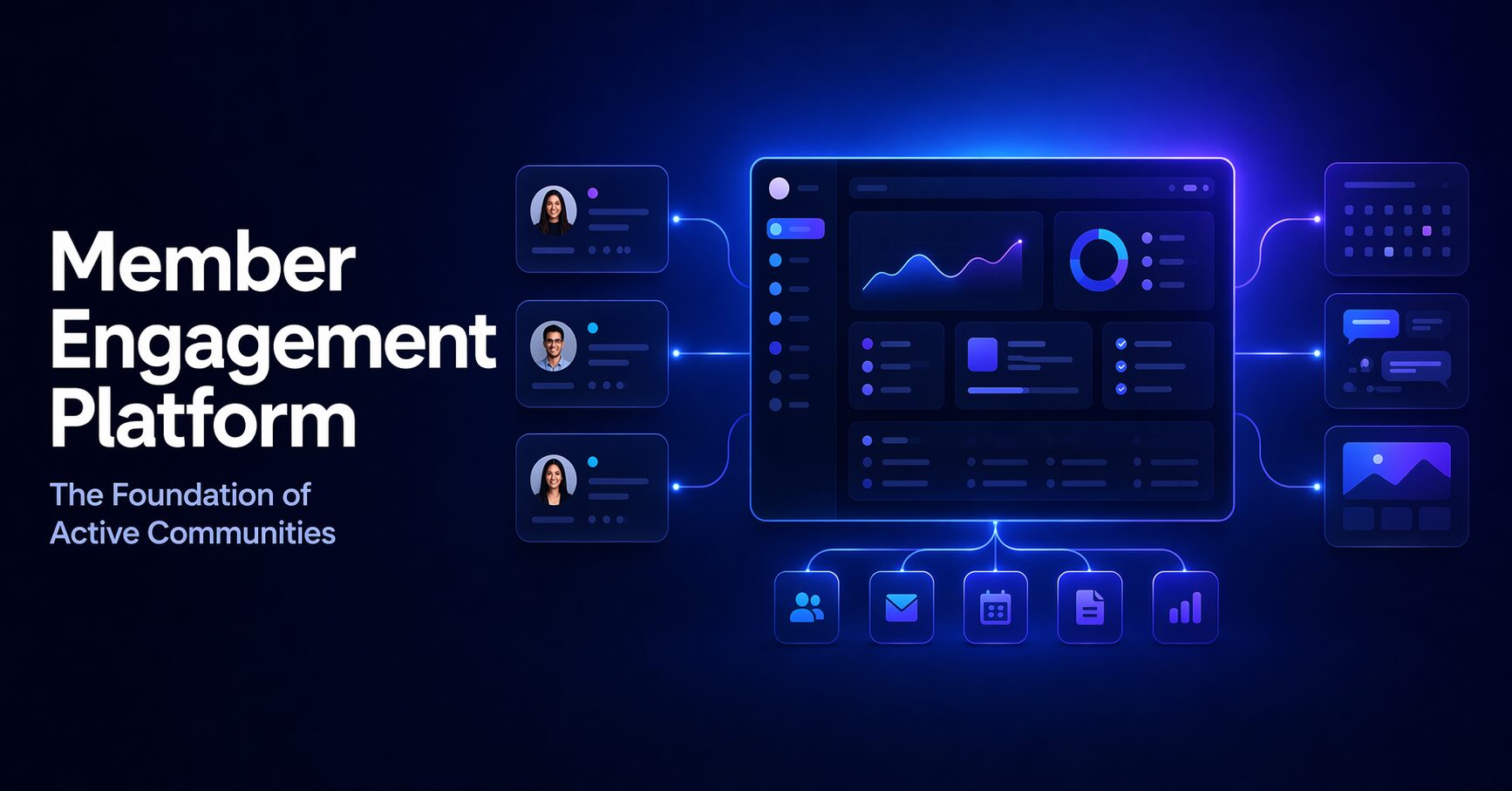
Member Engagement Platform: The Ultimate Guide to Building Active Communities
Table of Contents
If you have been searching for better ways to manage and connect with your members, you have likely encountered the phrase member engagement platform. The terminology can seem broad at first, and it is often used interchangeably with other software categories. Understanding what it actually means can change how your organization approaches community building.
For many organizations, engagement is treated as a goal without a structured system behind it. When communication, event management, and member data live in separate tools, the experience becomes inconsistent for both staff and members.
A member engagement platform solves this problem. It brings everything into one unified space, giving organizations the infrastructure they need to manage their communities, communicate consistently, and create the conditions for long-term participation.
What Is a Member Engagement Platform
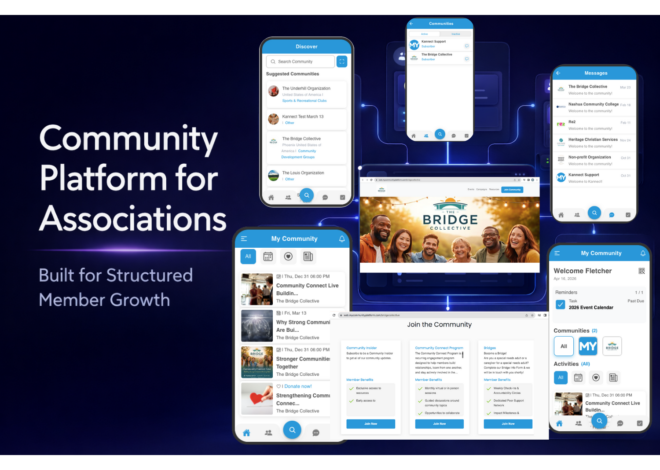
A member engagement platform is a centralized software system that allows organizations to manage, communicate with, and activate their member base from a single environment. Rather than relying on disconnected tools for different functions, everything operates within one connected system.
The platform serves as the operational center of the community. Member profiles, communication history, event registrations, and content access are all tracked within the same environment, giving staff a complete picture of how each member is interacting with the organization.
The purpose goes beyond data storage. It creates the infrastructure for consistent, meaningful interaction between an organization and its members, which is the foundation of long-term engagement and retention.
How a Member Engagement Platform Works
Most member engagement platforms are built around a central member database that connects to all other functions within the system. Communication tools, event management, content delivery, and reporting are all linked to the same underlying member records.
When a member takes an action, such as registering for an event or accessing exclusive resources, that activity is captured within their profile. Over time, this builds a detailed record of how each member engages and where attention may be needed.
This connectivity allows organizations to operate with intention. Staff can see which members are most active, which are at risk of disengaging, and what types of content or events are driving the most participation.
Member Engagement Platform vs. Traditional Community Tools
Traditional approaches to community management typically rely on a combination of email marketing software, spreadsheets, social media groups, and third-party event platforms. Each tool handles one specific function, and they are rarely designed to work together.
This fragmentation creates a disjointed experience for staff and members alike. Staff spend time managing data across multiple systems and recreating the same information in different places. Members navigate different platforms for different activities, which weakens the coherence of the community experience.
A member engagement platform consolidates these functions into one system. The work that currently requires five or six separate tools can be handled in a single connected environment with consistent branding throughout.
member engagement platform — how it works
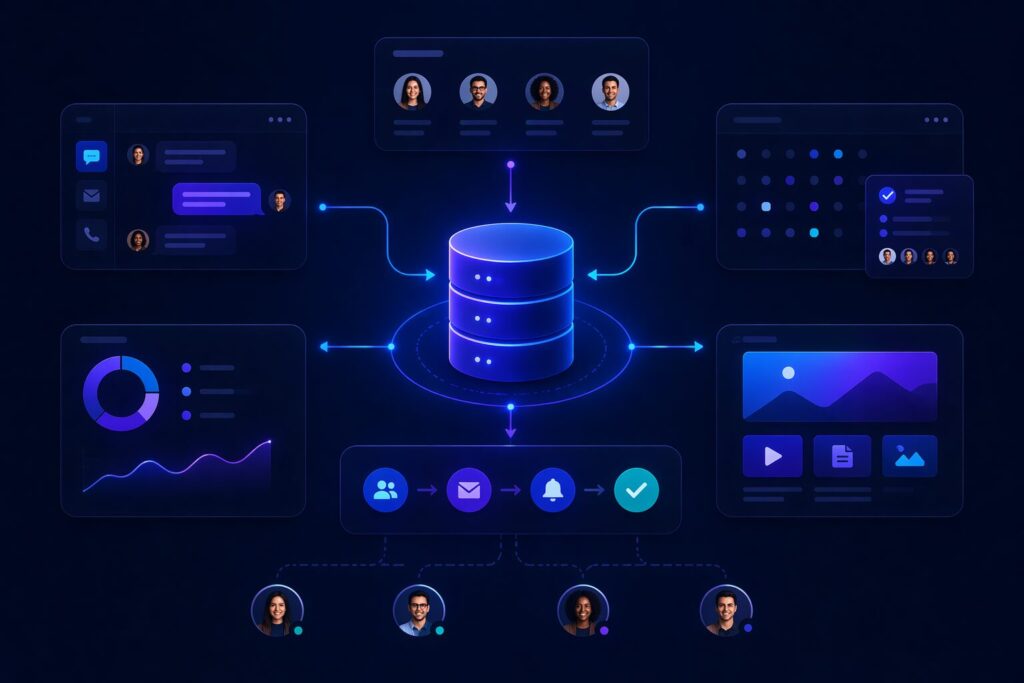
Member engagement platform — how it works
Member Engagement Platform vs. Custom-Built Systems
Some organizations explore building a custom platform to gain full control over their community experience. While this approach offers flexibility, it requires substantial investment in development, long implementation timelines, and ongoing technical maintenance.
A member engagement platform offers a more practical alternative. The core infrastructure is already built and supported, which means organizations can launch quickly and allocate resources to community building rather than software development.
Updates, security improvements, and new features are managed by the platform provider, eliminating the technical burden that typically accompanies a custom-built system.
Key Features of a Member Engagement Platform
Modern member engagement platforms are designed to support every stage of the member relationship, from initial registration to long-term participation.
Member profiles allow organizations to store contact information, engagement history, preferences, and roles in one accessible location. Communication tools enable targeted messages, announcements, and updates to reach all members or specific groups without relying on external platforms.
Event management capabilities allow organizations to create, promote, and track attendance directly within the platform. Content management features give members access to exclusive resources, and reporting dashboards help organizations track engagement trends and make decisions grounded in real data.
Who Uses a Member Engagement Platform
Member engagement platforms serve a wide range of organizations where sustained participation is central to the mission.
Professional and trade associations use them to connect members with resources, development opportunities, and each other. Universities use them to engage current students and maintain alumni relationships long after graduation.
Nonprofits rely on these platforms to coordinate volunteers, manage donor communication, and support program participants. Chambers of commerce use them to support local business members, coordinate networking events, and promote community initiatives.
Benefits of Using a Member Engagement Platform
The benefits of a dedicated member engagement platform extend well beyond reducing administrative workload.
Members who receive consistent, relevant communication and have easy access to valuable content are more likely to renew and remain active over time. Managing all community functions within one system also reduces the time required to maintain multiple tools and transfer data between them.
A dedicated platform reinforces the organization’s brand. Rather than directing members to a third-party environment, the entire experience takes place within a space that reflects the organization’s identity. This consistency strengthens the member relationship and increases perceived value.
How to Choose the Right Member Engagement Platform
Choosing the right member engagement platform starts with a clear understanding of what the organization needs most and how the platform needs to perform over time.
Branding capability is an important first consideration. The platform should support full customization so the community reflects the organization’s identity rather than the software vendor’s. Feature depth matters equally — look for a platform that combines member management, communication, event tools, and content delivery rather than requiring integrations between separate products.
Scalability and support quality are also essential. The platform should grow alongside the organization, and access to responsive customer service ensures the platform is used effectively from the very beginning.
Final Thoughts
A member engagement platform is more than a collection of tools. It is the operational infrastructure that determines whether an organization can build and sustain a genuinely engaged community.
As member expectations continue to evolve and competition for attention increases, organizations that invest in the right platform will find it significantly easier to retain members, grow their communities, and deliver consistent value. The shift from fragmented tools to a unified platform is one of the most important operational decisions an organization can make.
Where to Go From Here
If you are assessing your current approach to member engagement, the most important question is whether your tools are making it easier for members to participate or creating unnecessary friction in the process.
Many organizations discover that their existing systems are working against them. When members must navigate multiple platforms to access content, register for events, or reach the organization, that complexity reduces engagement over time, often without anyone fully identifying the cause.
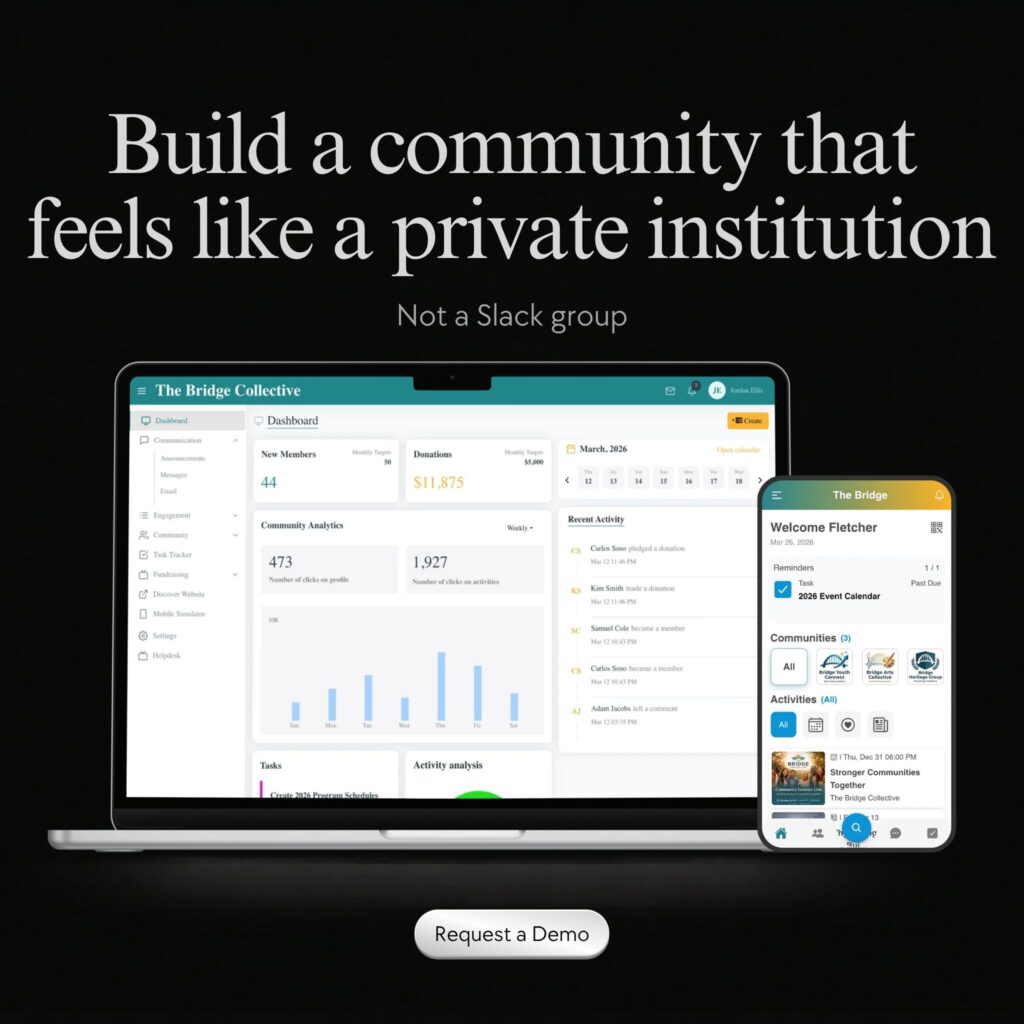
My Community Platform gives organizations a fully branded, centralized environment for managing members, events, and communication within one connected system designed to grow alongside the communities it serves.
Frequently Asked Questions
What is a member engagement platform in simple terms?
A member engagement platform is software that helps organizations manage and connect with their member base from one central location. It combines member profiles, communication tools, event management, and content delivery into a single system so organizations can deliver a consistent experience.
How is a member engagement platform different from email marketing tools?
Email marketing tools are built for one-way communication. A member engagement platform supports the full scope of member interaction, including event participation, content access, and ongoing relationship management, all within a branded environment the organization controls.
Who should use a member engagement platform?
Any organization that depends on sustained member participation can benefit. This includes professional associations, universities, nonprofits, chambers of commerce, and corporate membership networks of any size.
What is the main benefit of a member engagement platform?
The central benefit is consolidation. Rather than managing separate systems for communication, events, and member data, everything is connected in one place, making it easier to deliver consistent experiences and understand how the community is performing.
Can a member engagement platform replace multiple tools?
Yes. A well-designed platform consolidates common community management functions, including member databases, event management, communication, and content delivery, into one unified system.
Why do organizations switch to a dedicated member engagement platform?
Most organizations switch when they realize that their current mix of tools is creating fragmentation that limits their ability to engage members effectively. A unified platform simplifies operations and gives members a more cohesive experience that reflects the organization’s brand.
- Community Platform for Associations: The Proven Guide to Member-Driven Growth
- Community Management Software: The Complete Guide to Organizing Modern Organizations
- Online Member Portal: The Essential Guide to Centralizing Your Community Experience
- Member Engagement Platform: The Ultimate Guide to Building Active Communities
- White Label Community Platform: The Ultimate Guide to Scaling Communities
One thought on “Member Engagement Platform: The Ultimate Guide to Building Active Communities”
Leave a Reply

As someone who’s worked with both traditional community tools and dedicated engagement platforms, I appreciate how this guide highlights the shift from scattered communication to a structured system. It’s easy to treat engagement as an afterthought, but having a clear strategy and platform behind it makes all the difference in building sustainable, active communities. The section on choosing the right platform really resonated—especially the emphasis on aligning features with actual member needs rather than just checking boxes.